
Cake Pan Sizes: Work Out a Swap Before You Mix
Published
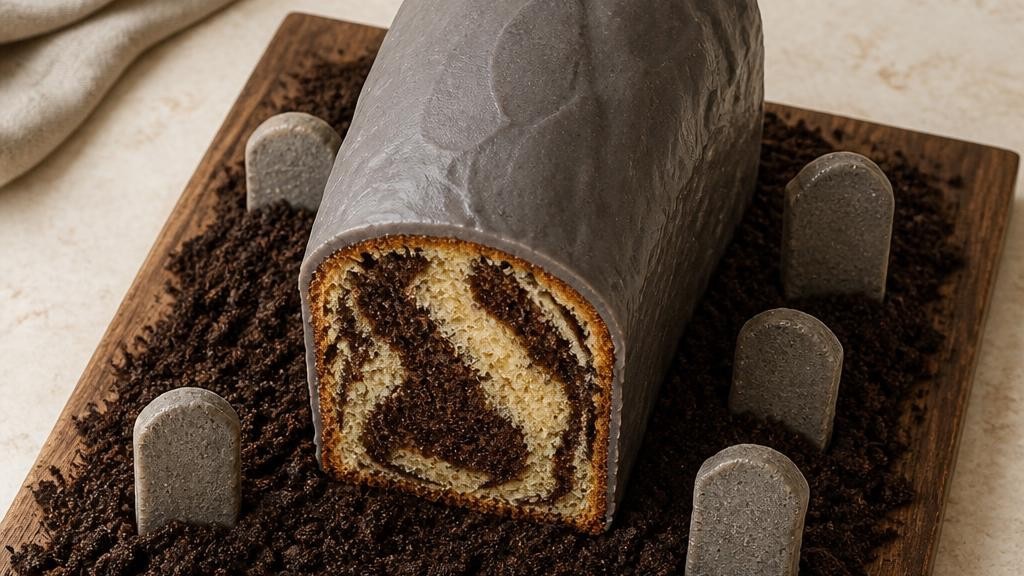
An 8-inch round cake pan and an 8-inch square pan sound interchangeable. They aren’t the same size: the square has about 27% more base area. Pouring the same batter into both gives you different cake depths.
For straight-sided cake and brownie pans of comparable depth, base area gives you a useful starting point. King Arthur’s pan guide uses this approach for common swaps. Measure the inside of the pan, and keep every measurement in the same unit.
Three comparisons that explain the method
| Pan | Calculation | Base area |
|---|---|---|
| 8-inch square | 8 × 8 | 64 square inches |
| 8-inch round | π × 4² | About 50.3 square inches |
| 9-inch round | π × 4.5² | About 63.6 square inches |
The 8-inch square and 9-inch round are close in area. The two 8-inch pans are much farther apart. For a round pan, use half the diameter as the radius; multiplying the diameter by itself overstates its area.
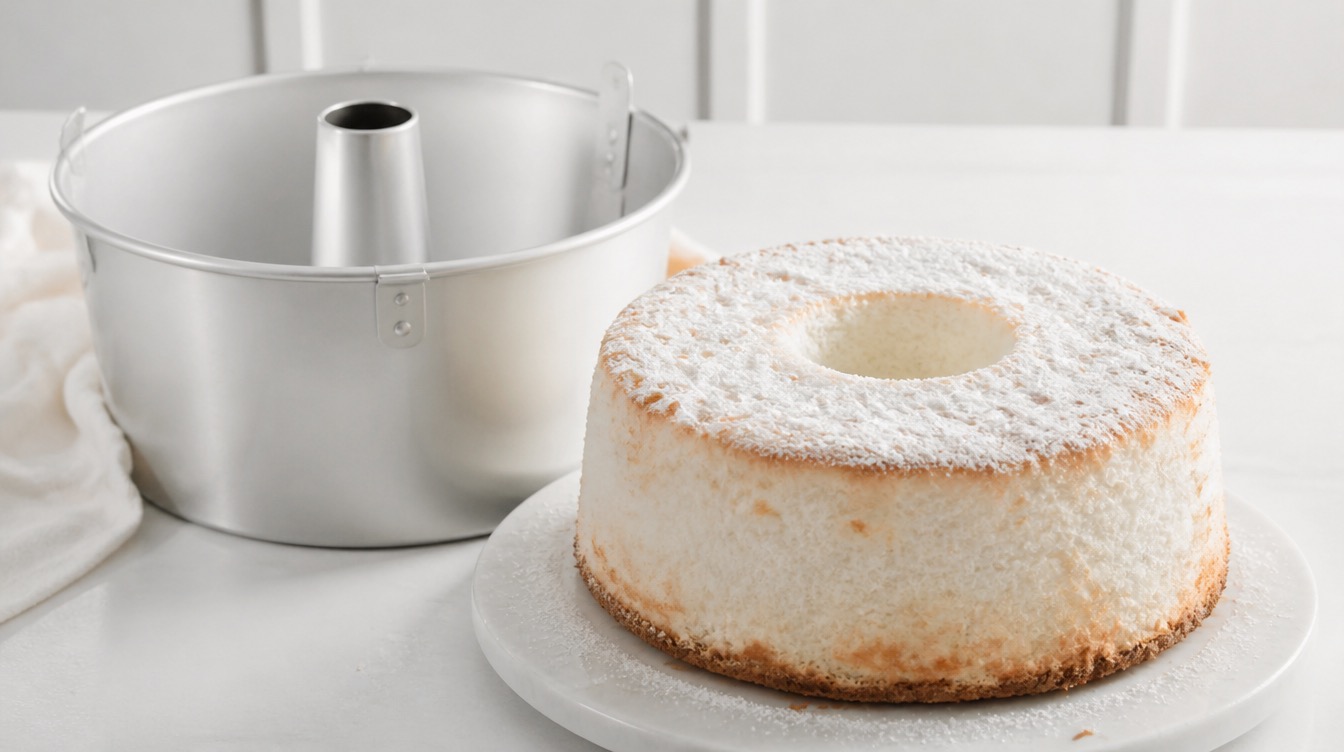
To estimate an ingredient scaling factor, divide the new pan’s area by the original pan’s area. Moving from an 8-inch round to a 9-inch round gives 63.6 ÷ 50.3, or about 1.27. That suggests roughly 27% more batter to maintain a similar depth. It is a geometric estimate, not a tested conversion for every cake.
A larger tray needs more than a small extra spoonful
A 9-by-13-inch tray has an area of 117 square inches. An 8-inch square has 64. Their ratio is 117 ÷ 64, about 1.83. A recipe scaled to the larger tray would need roughly 1.83 times each ingredient to keep a similar depth.
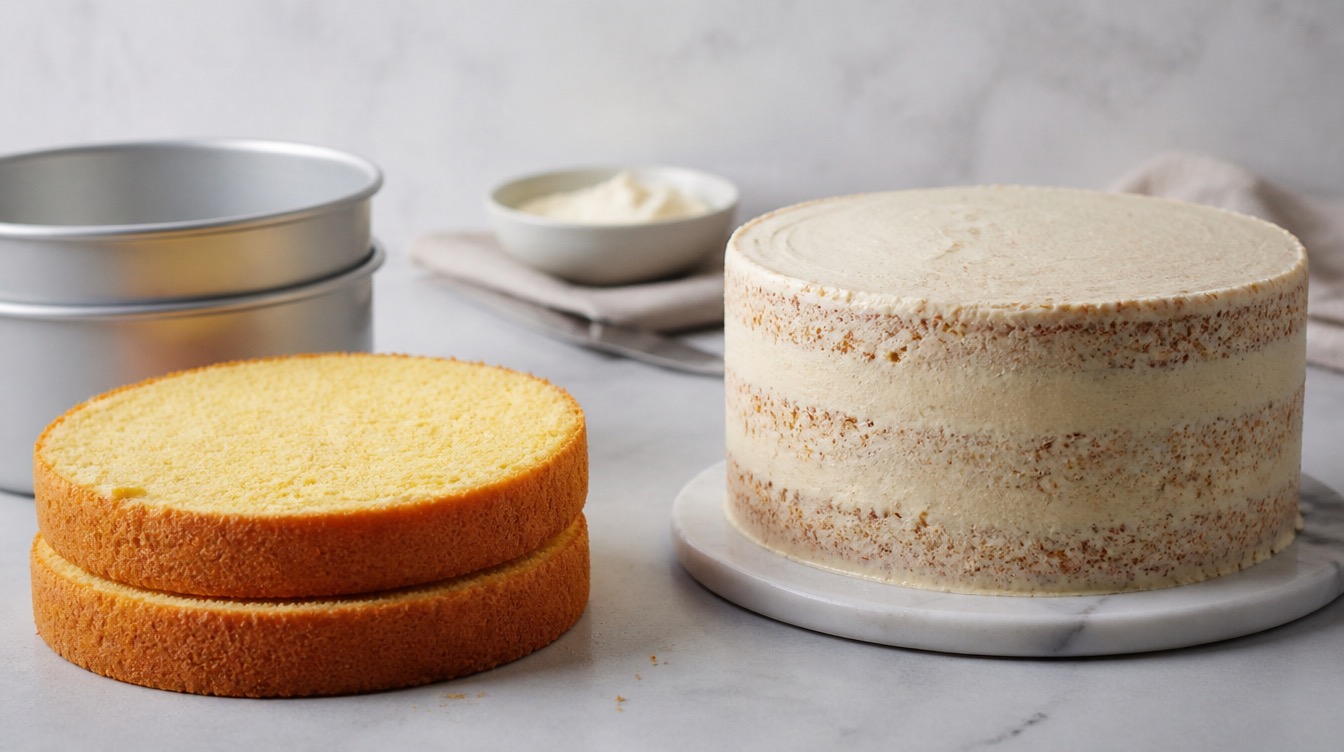
For a hypothetical 200g flour quantity, that multiplication gives about 366g. Apply the same factor to the other ingredients rather than enlarging only the flour. Write the new quantities down before mixing, especially when an egg or a small leavener measurement produces an awkward fraction.
Check the height before trusting the area
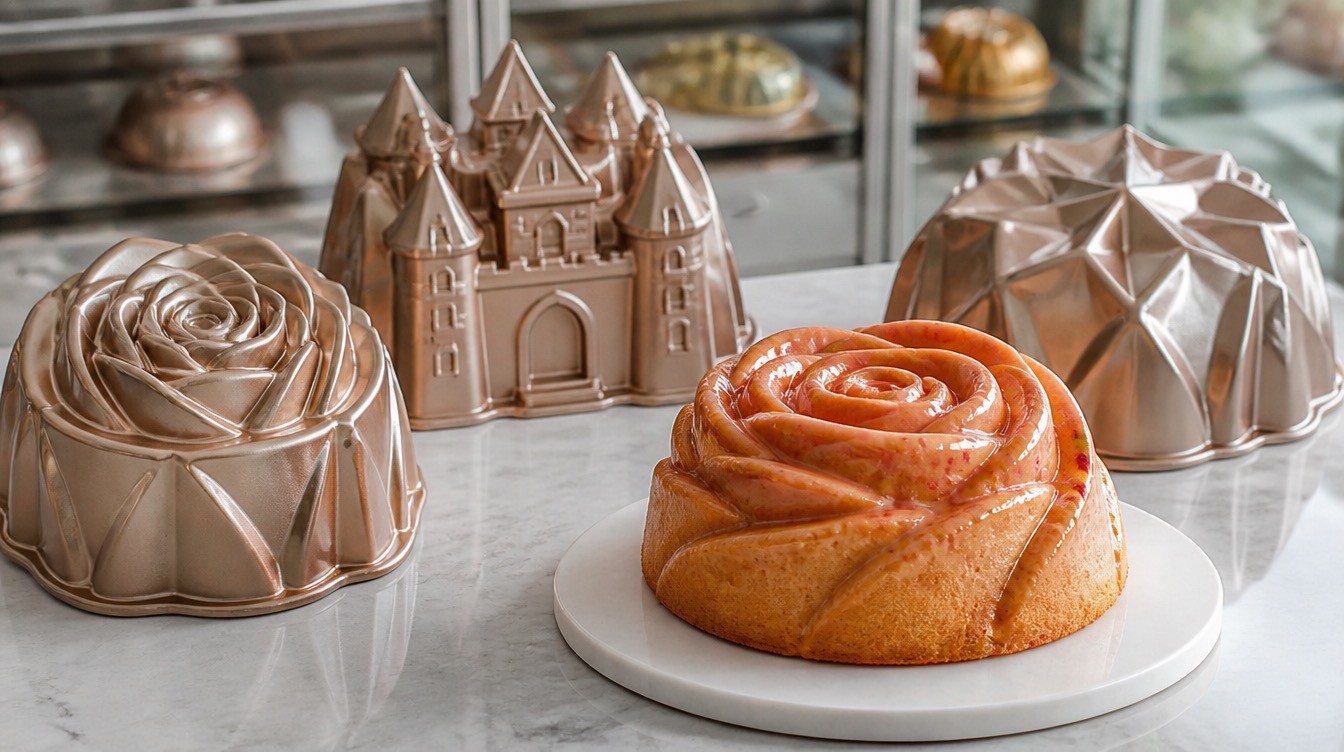
Area alone doesn’t tell you how much room the batter has to rise. A shallow sandwich tin and a deep cake pan can have identical bases. Compare the sides and the recipe’s intended fill level as well. Tapered loaf pans and shaped Bundt pans need a different capacity check; their shapes don’t behave like straight-sided cylinders or boxes.
King Arthur’s later pan-size guidance explains the practical consequence: a wider layer of batter bakes faster, while a deeper one needs more time and can brown differently. Equal calculated area also doesn’t erase differences in pan material or the cake’s structure.
If you keep the full recipe in a wider pan, expect a shorter cake and begin checking before the original finish time. If you can’t preserve a sensible fill level, choose a closer pan or a recipe written for yours. The calculation should help you choose a workable bake, rather than persuade you to squeeze batter into a poor fit.