
French, Swiss and Italian Meringue: Follow the Method
Published
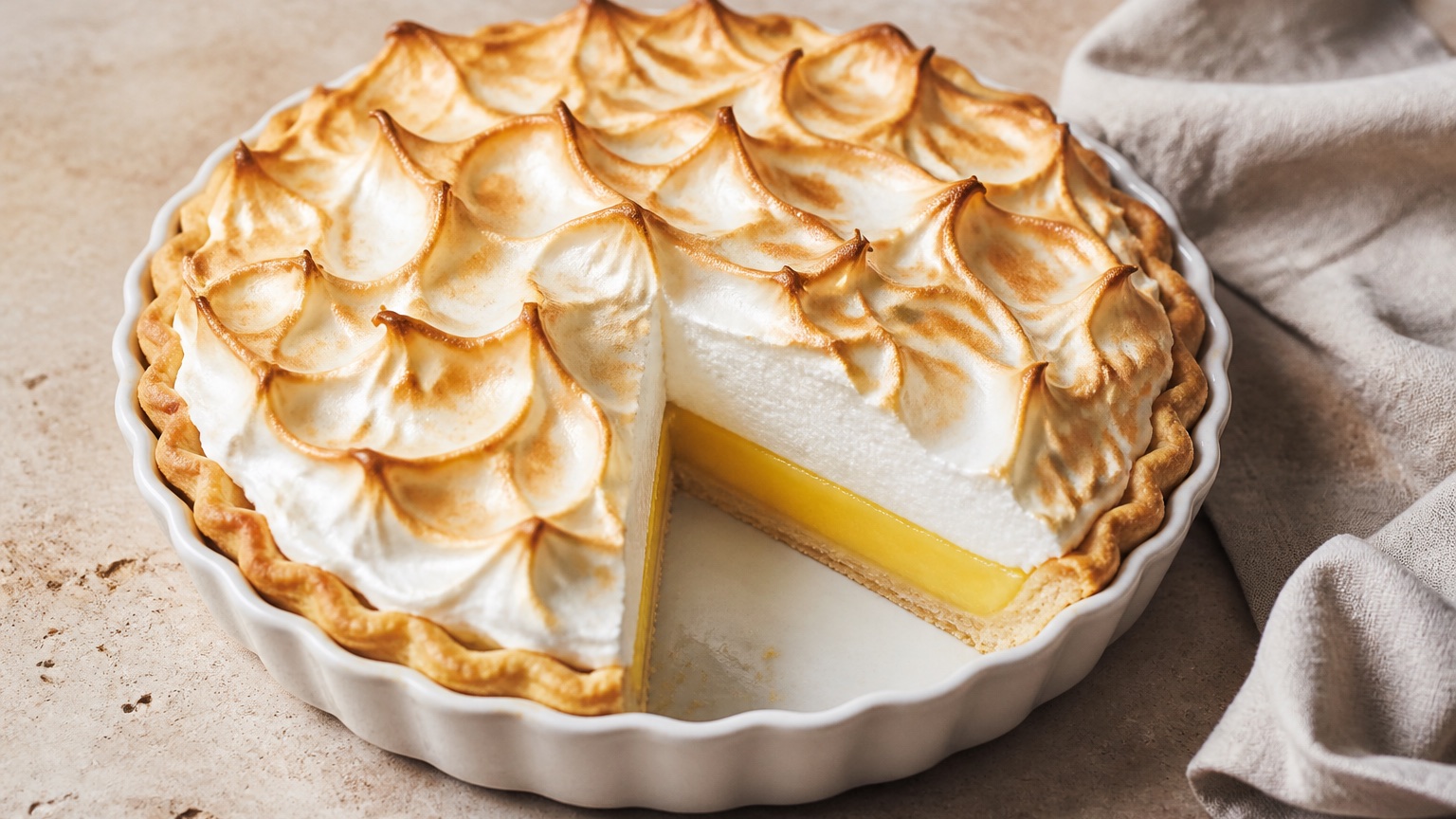
The quickest way to identify a meringue is to follow the sugar. French meringue adds it to whipping egg whites, Swiss heats the whites and sugar together before whipping, and Italian pours hot sugar syrup into whipping whites.
Those names describe methods. They don’t, on their own, tell you whether the final dessert will be a crisp shell, a soft topping or part of another mixture.
| Method | What happens to the sugar | Step to recognize |
|---|---|---|
| French | Added to the whites as they whip | No separate sugar-heating step before whipping |
| Swiss | Heated with the whites over water | The combined mixture moves from the water bath to the mixer |
| Italian | Cooked as a syrup | Hot syrup is streamed into whipping whites |
French: pay attention to adding the sugar
A French-style method builds the foam in the mixer. King Arthur’s baked meringue recipe starts by foaming the whites, then adds its sugar mixture gradually before shaping and baking. The slow addition is part of the method; dumping the sugar in at the start isn’t the same instruction.
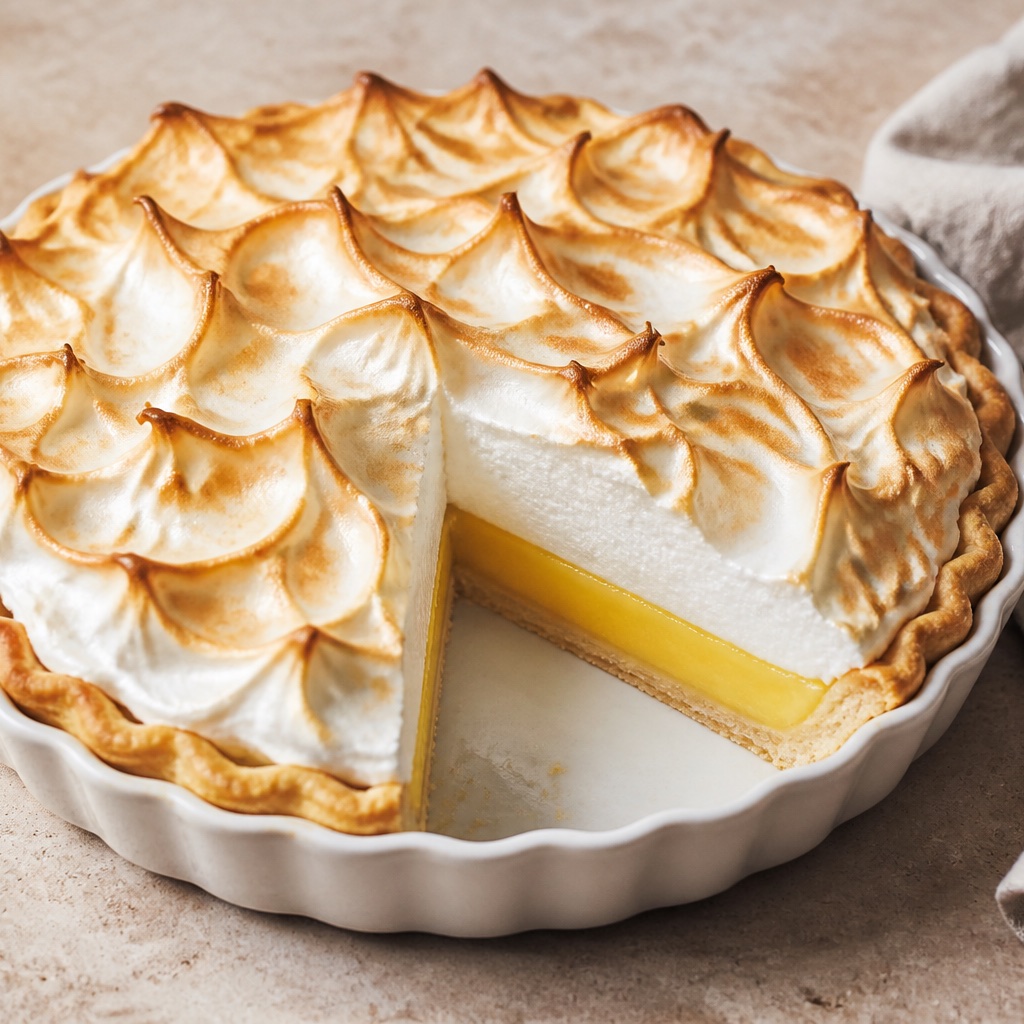
That recipe also uses two sugars. It’s a useful reminder that “French meringue” doesn’t mean every version has an identical ingredient list or ratio. Use the complete formula rather than assembling one from the method name.
Swiss: heat the whites and sugar together
In Lasheeda Perry’s Swiss meringue, the whites and sugar are combined over barely simmering water before the mixture is whipped. The recipe provides a measured temperature range for that heated stage.
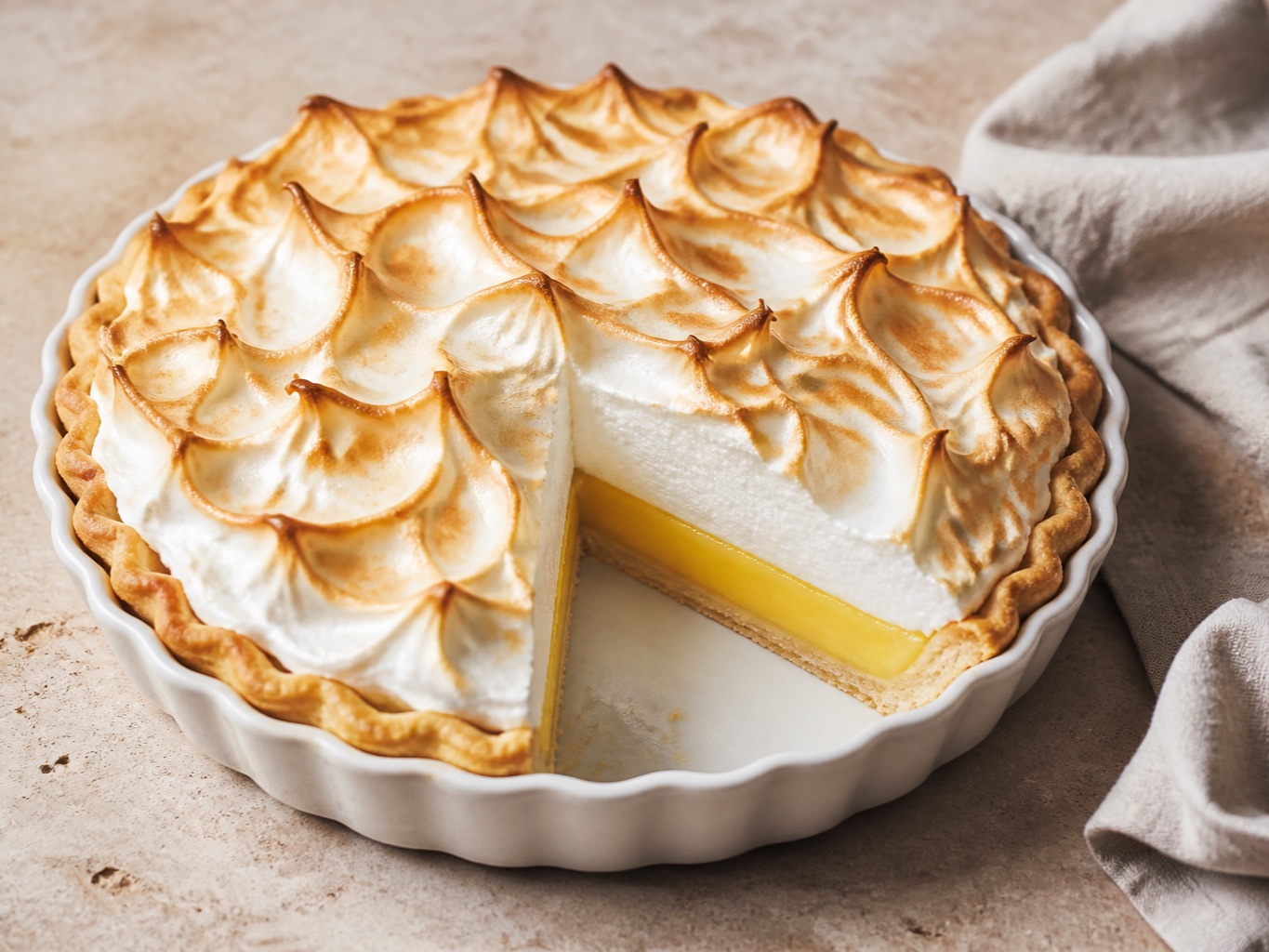
The finished meringue has several possible uses: it can become a topping or be baked into crisp decorations. So a Swiss method and a crunchy result aren’t opposites. The later shaping and baking instructions decide what the finished piece becomes.
Italian: the syrup needs its own attention
The official Bake Off recipe for Paul Hollywood’s raspberry soufflé uses an Italian meringue base, explaining that it provides stability. It then gives a particular instruction for the mixture after the fruit purée is added: stop at soft peaks rather than continuing to stiff ones.
That example matters when a judge asks for a particular texture. A stable starting meringue doesn’t remove the need to follow later mixing instructions. “Whip it more” isn’t a universal improvement.
Choose by the finished dessert
If you’re baking along at home, choose a full recipe for the dessert you want and keep its meringue method. Changing from French to Italian introduces a syrup stage and can change how much heat, water and handling the mixture receives.
Follow the recipe’s cooking temperatures and finishing steps. A toasted surface or a glossy bowl isn’t a substitute for those instructions, and hot syrup needs the controlled pouring method the recipe specifies.
When you watch the next meringue challenge, follow three moments: where the sugar goes, how the heat is applied and what happens after whipping. Those details let you understand the method even before the dessert has a name.