
Ganache for Glazing, Filling or Whipping: What Changes?
Published
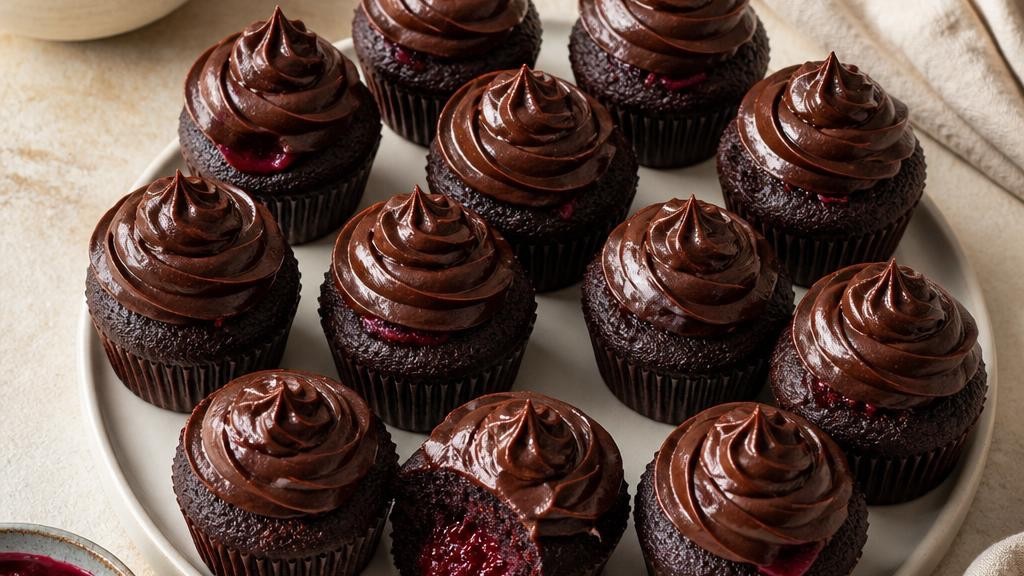
Ganache can pour over a cake, hold two cookies together or become a fluffy frosting. The name alone doesn’t tell you which result a recipe will give you. Look at the chocolate, its proportion to the cream and the temperature at which you will use the mixture.
It also helps to check that you are actually making ganache. The cocoa icing on our easy chocolate traybake is a different preparation. Replacing it with a ganache requires choosing a suitable complete recipe, rather than adding cream to that icing by guesswork.
Start with the job, then choose the formula
In King Arthur’s ganache guide, PJ Hamel develops an all-purpose mixture that pours warm, spreads at room temperature and becomes firm when cold. Her semisweet-chocolate version uses two parts cream to three parts chocolate by weight. That ratio belongs to the chocolate and result she tested.
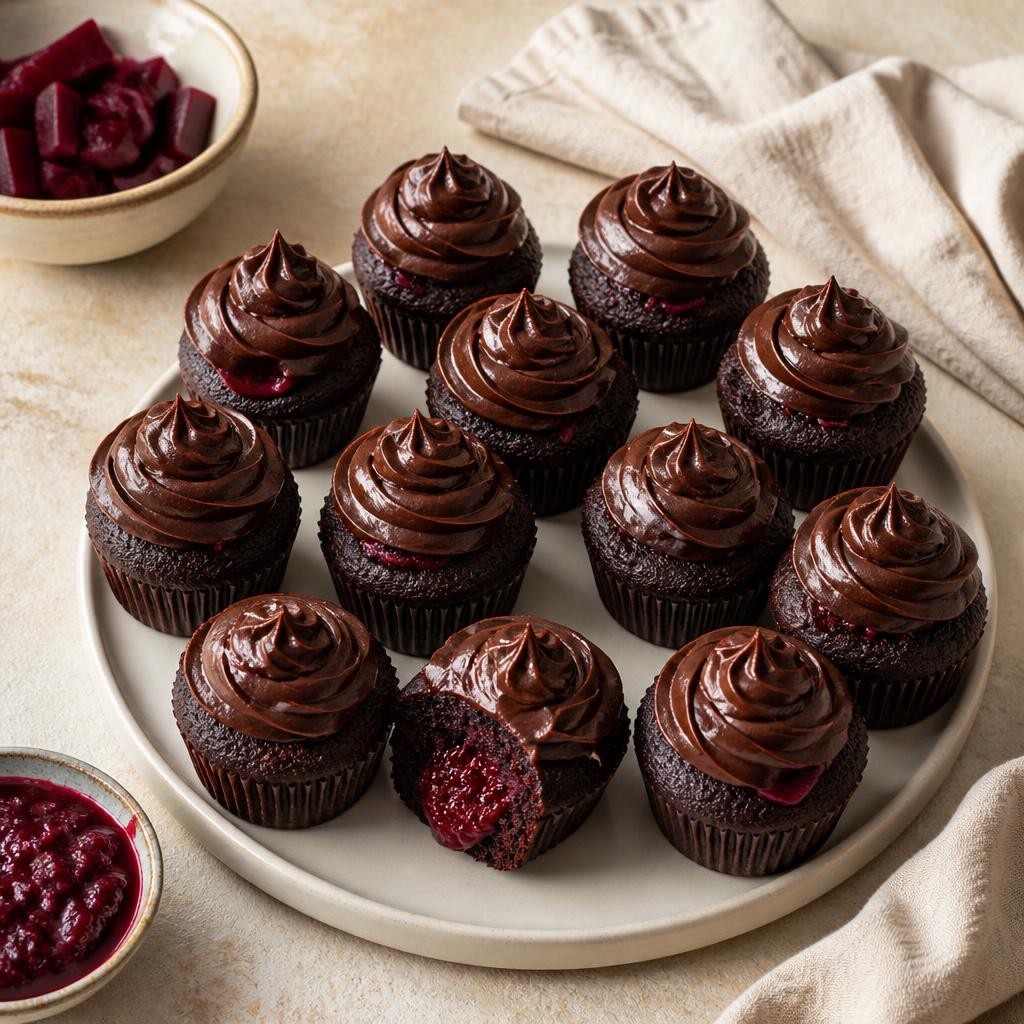
The same guide explains why changing the chocolate can change the consistency. A bittersweet version can be stiffer than a milk-chocolate version. An instruction to use semisweet chocolate therefore carries information that the bare ratio misses.
The mixture also thickens as it cools. Before deciding that a just-made ganache has failed because it looks too fluid, check whether the recipe expects you to use it immediately or wait for it to thicken.
A pouring ganache needs a pouring checkpoint
King Arthur’s separate chocolate ganache recipe describes equal weights of chocolate and cream as producing a soft, pourable mixture. Its ingredient list also offers a range of chocolate amounts for thicker results. Equal weights are a useful recipe example, rather than a promise that every chocolate will behave identically.
That method heats cream until steaming, pours it over the chocolate and gives it time to melt before stirring. For glazing, it uses the ganache while it is still warm but has begun to thicken. Waiting until it is fully cold would miss that intended working stage.
Whipped frosting may include more than chocolate and cream
The publisher’s whipped chocolate ganache frosting is another specific formula. It begins with 340g semisweet chocolate and 227g cream, then incorporates 170g softened butter as well as salt and vanilla. The butter is part of the recipe, not an optional instruction borrowed from every ganache method.
Its sequence matters. The chocolate-and-cream mixture cools to room temperature, specified as 75°F or below, before the butter is gradually whipped in. The recipe then calls for beating until fluffy. Starting that step with a hot pouring ganache would skip the cooling condition the author requires.
| Intended finish | Read for |
|---|---|
| A glaze that flows over a cake | The specified chocolate and warm pouring consistency |
| A spreadable filling | The formula’s cooling and firmness instructions |
| A whipped frosting | Any additional ingredients, cooling checkpoint and whipping sequence |
When a contestant says the ganache needs time, the next action explains what they mean. Pouring, spreading and whipping are different jobs. Choose the complete method for yours and plan enough time to reach its working consistency.