How Sugar Rush Works: Time Is the Real Judge
June 18, 2026
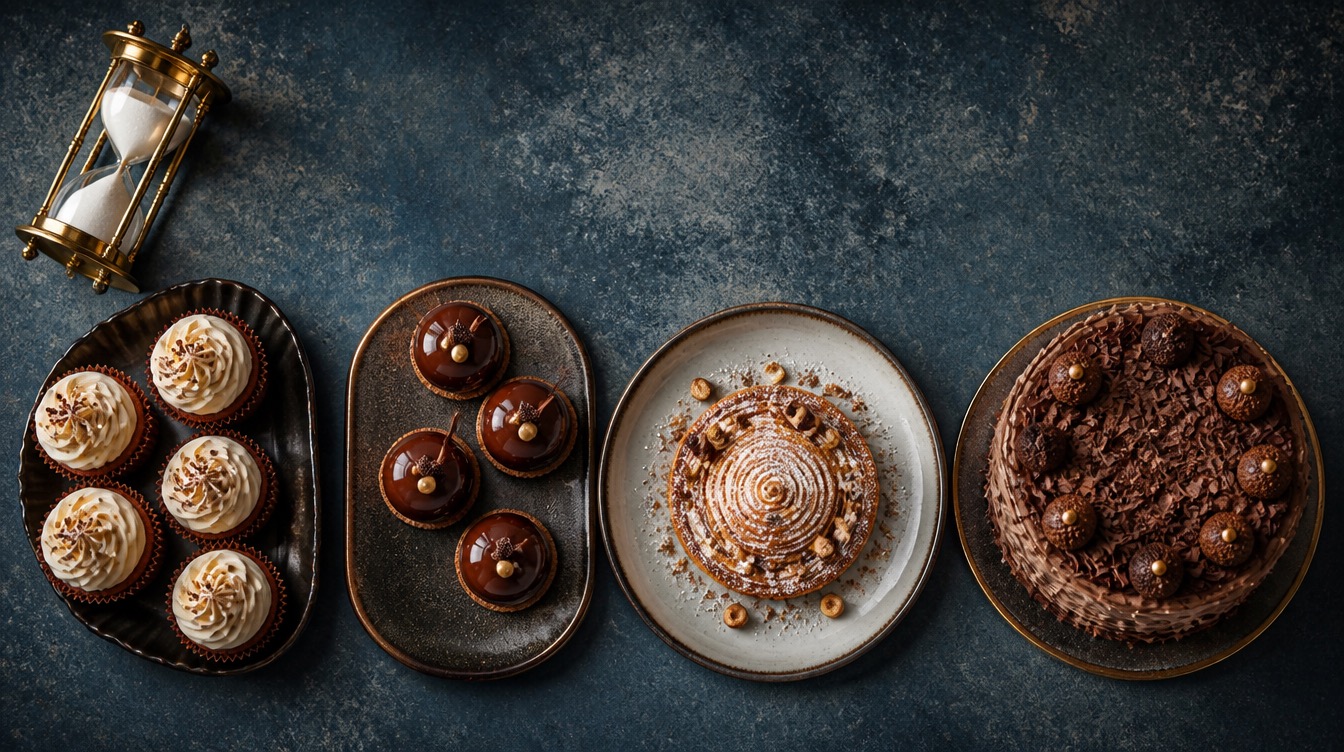
Every baking competition claims to be a race against the clock. Sugar Rush is the one that actually means it. Netflix's 2018 series built its entire format around a single clever rule about time, and once you understand that rule, the whole show snaps into focus. Here is how it works. For the show's background and history, see our Sugar Rush overview and show hub.
The basic structure
Each episode starts with four teams of two professional bakers competing for $10,000. The contest runs three rounds in a fixed order:
- Cupcakes: every team bakes and decorates a batch to a themed brief.
- Confections: candies, macarons, choux, whatever the brief demands.
- Cake: the two surviving teams build a showpiece cake head to head.
After the cupcake round one team is eliminated, after the confection round another goes, and the cake round decides the winner. Host Hunter March keeps things moving while judges Candace Nelson and Adriano Zumbo, plus a guest judge each episode, taste and decide.
The twist: time banks
Here is the rule that defines the show. The first two rounds together run on a shared three-hour clock, and the cake round has three hours of its own. But teams do not have to use all their time in the early rounds, and any minutes they leave unused are added to their cake-round clock.
That changes everything about how smart teams play. Every minute spent perfecting a cupcake is a minute stolen from your future cake, and the cake is where the money is decided. So teams constantly gamble: submit the cupcakes twenty minutes early and bank the time, or spend those minutes fixing a sloppy glaze and hope it does not cost you later? The show's title is literal; rushing is the strategy.
The trap, of course, is that banked time is worthless if you get eliminated before the cake round. A team that speeds through cupcakes and turns in a mess goes home with a fat time bank and nothing to spend it on. The winning teams are the ones that judge, in real time, exactly how good is good enough.
How the judging works
Each round is judged on taste and presentation against the brief, with the guest judge weighing in alongside the two regulars. Nelson tends to evaluate like the bakery founder she is (would this sell?), while Zumbo, one of Australia's most celebrated patissiers, pushes on technique. Their verdicts eliminate one team per round until the final cake face-off, where the better showpiece takes the $10,000. We profile Nelson's remarkable route from investment banking to the judging chair in our Candace Nelson profile.
Why the format is smarter than it looks
Most competition shows manufacture tension with music and editing. Sugar Rush builds it into the rules. Because time is a currency, every decision on screen has a visible cost, and viewers can second-guess strategy, not just aesthetics. It also produces a distinctive failure mode you will not see on gentler shows: teams that bake beautifully but manage time badly, undone not by their hands but by their watches.
The trade-off is polish. With pros sprinting, the finished bakes are rougher than what you would see given a full day, and the show is honest about that. Watch it as a strategy game with frosting and it is one of the tighter formats of the streaming baking boom. Three seasons of the main show plus the Christmas spinoff give you plenty to work through.
More in The Proving Drawer or start with the show guides.