
Why Chill Cookie Dough? Read the Recipe Before Skipping the Wait
Published
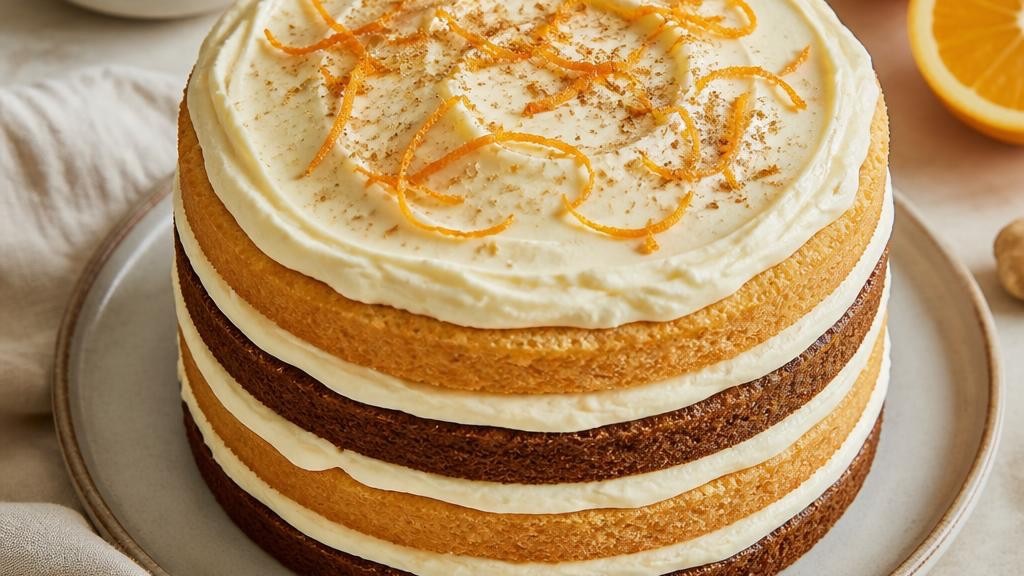
The dough is mixed and the oven is ready. A refrigerator rest can feel like an inconvenient pause, but it may be part of how the recipe controls the finished cookie. Before shortening it, check what went into the bowl and what the next step asks you to do.
Chilling has more than one effect. In King Arthur’s cookie-dough comparison, a 30-minute chill produced less spread than baking the same dough immediately. The cold fat took longer to melt in the oven. Resting also let sugar absorb liquid, contributing to changes in texture. These were the publisher’s comparisons, rather than a test of every cookie formula.
Separate a firming step from a longer rest
A recipe that asks for a short chill may need dough that is firmer and easier to handle. Another may build a longer rest into its method. The fact that both use the refrigerator doesn’t make their timings interchangeable.
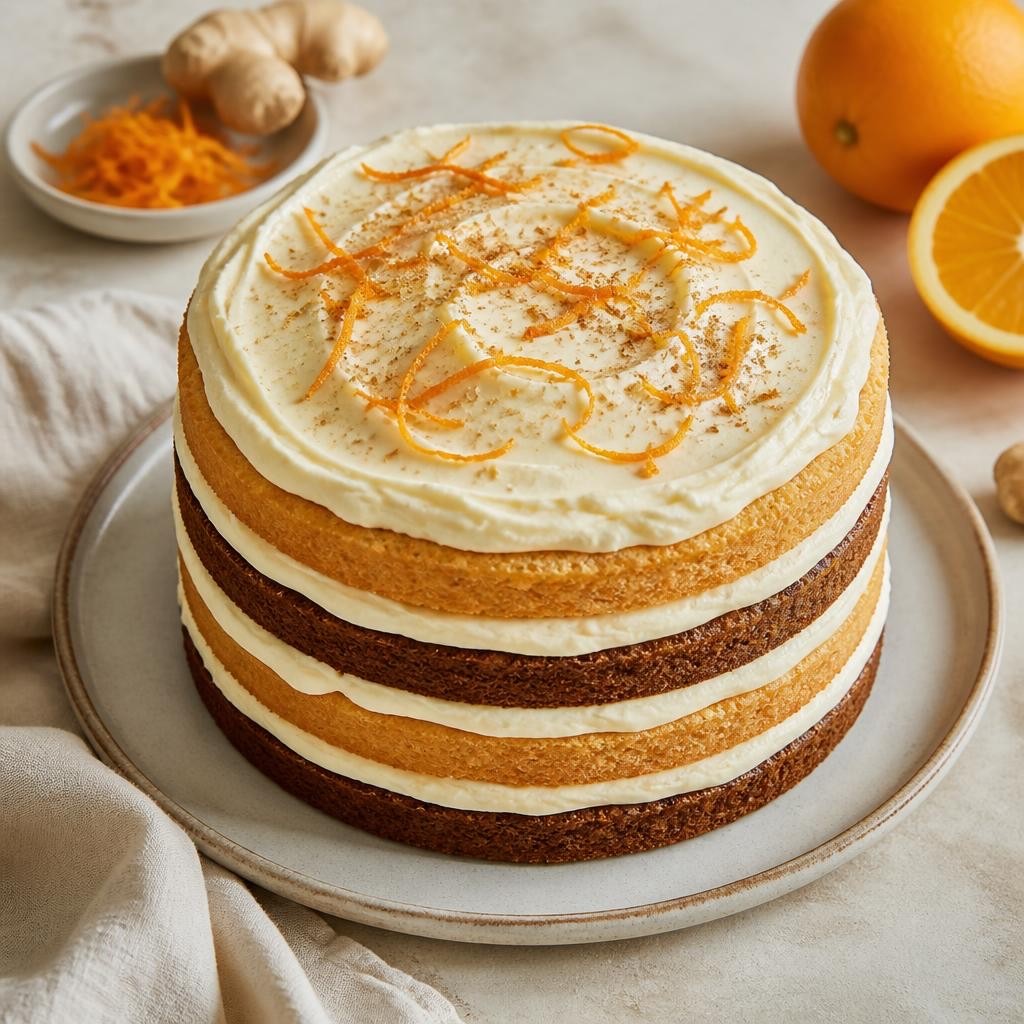
For example, our cinnamon oat and raisin cookies start with softened butter. The method chills the mixed dough for 30 minutes before dividing it into 45g portions and flattening them. It also keeps the second tray chilled while the first bakes. That last instruction matters: the second batch shouldn’t sit warming beside the oven through the first batch’s baking time.
That recipe gives you a complete sequence: mix, chill, portion, flatten, bake. Following only its refrigerator time while changing the portion size or skipping the flattening step doesn’t reproduce the same method.
Portioning can happen before the chill
King Arthur’s chocolate sourdough discard cookies start with melted butter and use a two-to-12-hour chill. The author provides two routes. You can portion the dough first and refrigerate the pieces, or refrigerate the bowl of dough and let it soften for 15 to 20 minutes before scooping.
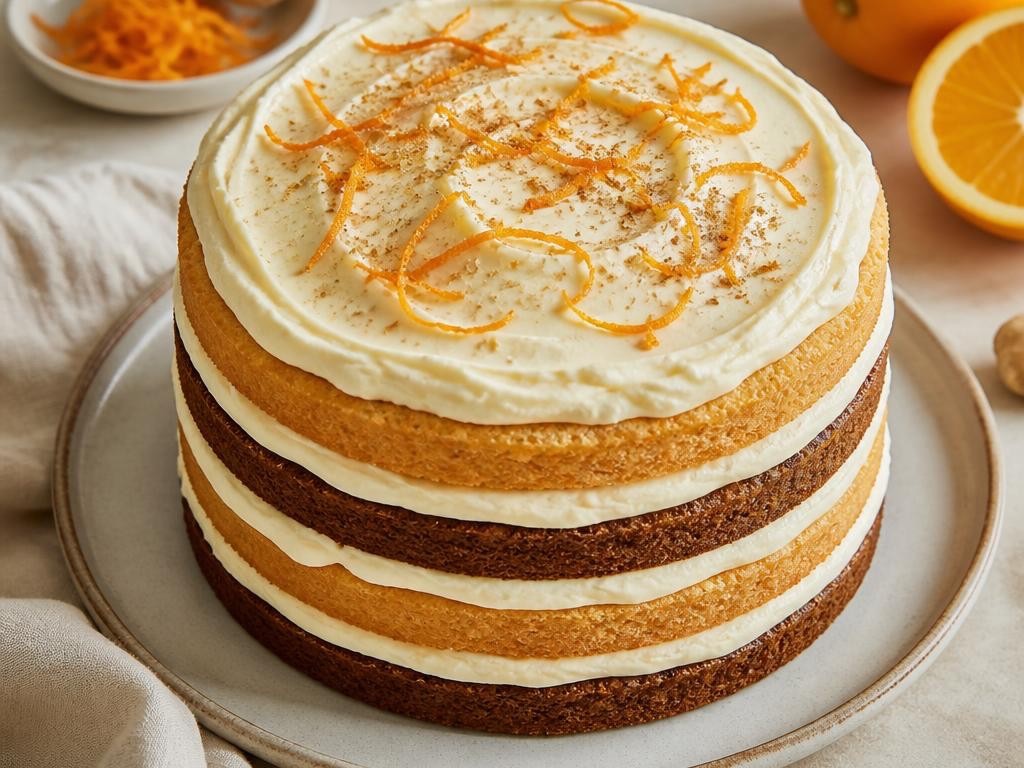
Those alternatives solve a practical problem: cold dough can be difficult to scoop. They don’t authorize replacing that recipe’s longer rest with the oat cookies’ 30 minutes. Nor does a melted-butter formula mean you should melt butter in a recipe written for creaming softened butter.
| Recipe example | Order to follow | What to plan for |
|---|---|---|
| Cinnamon oat and raisin cookies | Chill the bowl, then portion and flatten | Space for the dough and the waiting second tray |
| Chocolate sourdough discard cookies | Chill portions, or chill the bowl and soften briefly before scooping | The longer rest and the chosen portioning route |
What to check before putting the bowl away
Read ahead for the butter’s starting state, the specified rest, when to portion and whether the pieces should be flattened. Those instructions work together. If a baking-show contestant chills already shaped cookies, that needn’t contradict a recipe that chills a whole bowl.
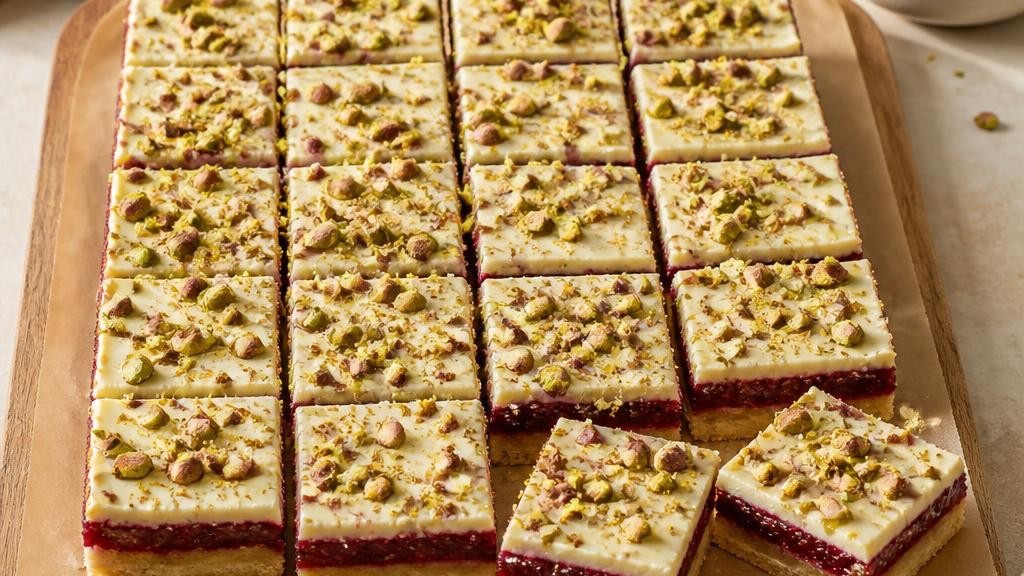
Longer also doesn’t automatically mean better. King Arthur’s comparison found that changes became less dramatic after the initial chill. Use the duration and handling instructions in the recipe you chose, rather than treating an overnight rest as a universal upgrade.